Pride 2026: “Artists can only make their best art when they have space to exist as their whole selves,” Sylvia Leith
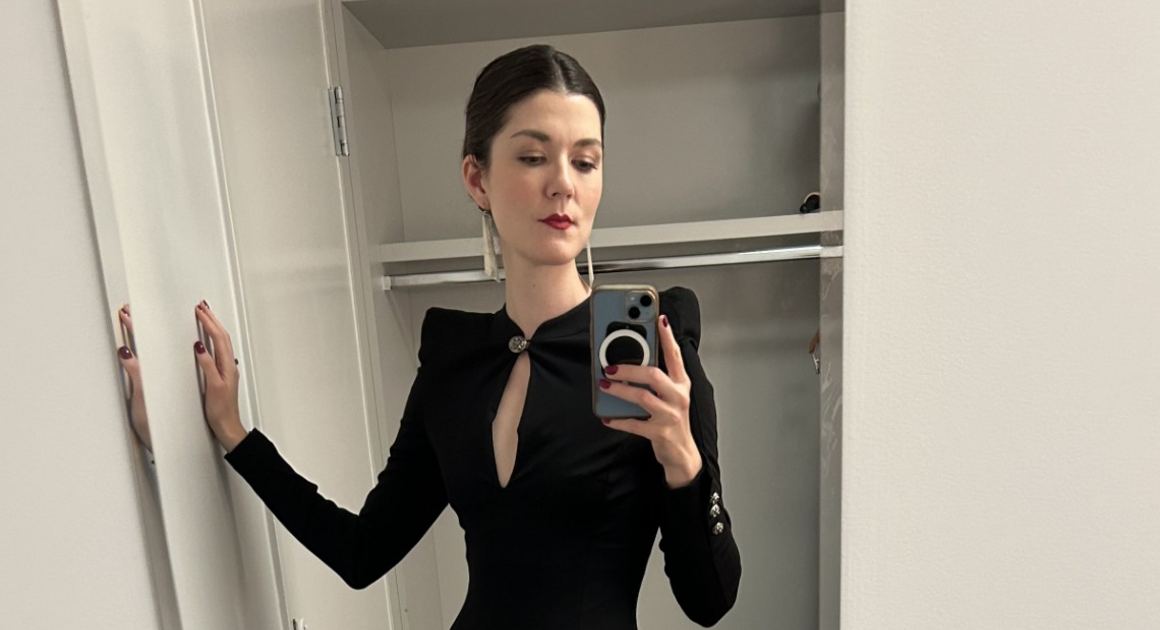
My name is Sylvia Leith (she/her) and I serve on the American Guild of Musical Artists (AGMA)’s Pride Caucus steering committee in the United States.
As someone who lives in a progressive, east coast city in the United States during a historic, nationwide backlash against trans and queer people, I feel like I'm witnessing a concerning amount of complacency from the mainstream liberal "ally" community. There's a sense that because we maybe have one or two trans colleagues around us, the work is already done — it's just a problem in those other places.
But the amount of exclusion, bias, and harassment that exist at every professional level even in these progressive cities is still massive, and the barriers that trans artists in particular face are monumental.
I hope that allies and community members with greater privilege (people who are cis, and/or white, and/or straight-passing like I am) wake up to the urgency of this moment and step up to support their more vulnerable LGBTQ+ siblings before the national context becomes even more hostile.
I believe that AGMA's fundamental mission of securing dignity in the workplace is a rising tide that lifts all boats. The structure of a unionized workplace prevents many of the worst forms of discrimination and offers recourse when harm occurs. That said, AGMA only serves artists who are already working in the field, so many trans and queer artists aren't able to access the protection of the union because of discrimination in hiring. I hope AGMA and its shops can focus some attention on establishing fairer, safer, and more open audition processes so that more trans and queer talent can make it through the door. The Pride Caucus is developing guidance on auditions and hiring — as well as best practices around rehearsal, performance, marketing, etc. — which I hope will ripple through performing arts workplaces within and beyond AGMA.
Queer and trans workers are an essential part of the labor movement because we are part of the labor movement. We're here, we're queer. We viscerally understand the fight for dignity because there are still so many spaces in which our whole, queer selves are not treated with dignity. And in the context of the performing arts, artists can only make their best art when they have space to exist as their whole selves;
So it's essential to have LGBTQ+ representation in unions fighting to create space and safety for LGBTQ+ artists to be their whole selves and make their best art.
When it comes to examples of best practice in workplace organizing around LGBTQ+ rights, I think of:
- Circulating an optional survey to artists (this can be at the audition stage and/or after casting) so they can share their preferences for name, pronouns, voice type or dance role (in terms of range or skills, not gender), dressing room and lavatory preferences, accessibility accommodations, costume/wig/makeup requests, etc.
- Taping your own gender-inclusive signage over existing gender-binary signage for restrooms and/or dressing rooms.
- Protecting artists online by securing permission before posting content of them and shutting down any trolling.