Pride 2026: “LGBTI visibility and representation strengthen the union as a whole,” Cathrine Nyheim
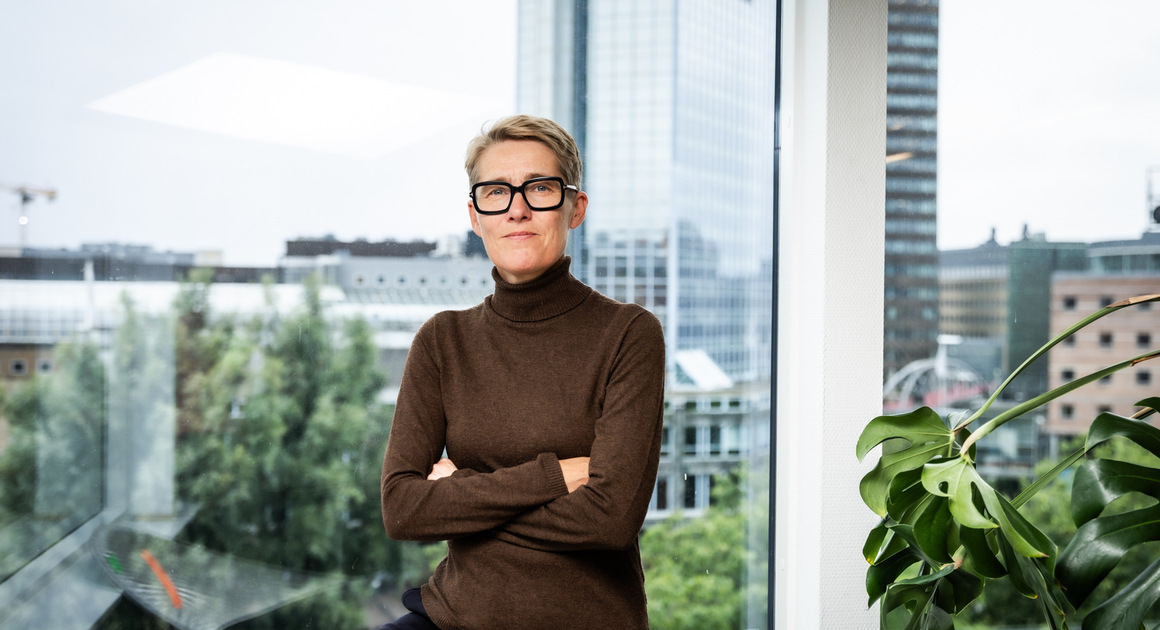
I am Cathrine Nyheim, the elected vice president of Creo, which is Norway’s largest union for arts and culture. Creo is affiliated with the International Arts and Entertainment Alliance (IAEA). I work on cultural policy and improving the working conditions, rights and representation of artists and cultural workers.
Norway is often seen as a country with strong legal protections for LGBTI people. Still, many experience discrimination, insecurity and barriers in working life. In the cultural sector, where many work freelance or as self-employed, these challenges can be even more pronounced.
Creo is committed to creating and maintaining an environment that values and respects diversity. We recognise diversity as a strength, and work actively to include and engage members of all backgrounds, regardless of age, gender, ethnicity, sexual orientation, religion, disability or other characteristics.
We have zero tolerance for discrimination and harassment, and we work continuously to ensure that both employees and members feel included and respected. Dialogue, awareness and competence-building are central to this work.
In 2024, our Executive Board adopted Creo’s first diversity policy, which provides a foundation for our ongoing efforts. The same year, Creo achieved the Balansemerket certification in collaboration with Balansekunst. Through this process, we strengthened our routines and competence to prevent discrimination and harassment, and to ensure a safe and inclusive environment.
We also work actively to promote equality and representation in the cultural sector, and to ensure that our organisation reflects the diversity of our members and the society we are part of.
Diversity strengthens the union movement. It makes us more relevant, more representative and better equipped to advocate for all workers.
When a union reflects the diversity of its members, it builds trust and ensures that different perspectives and experiences are included in decision-making processes. This is essential for creating fair and inclusive working conditions.
Ensuring that LGBTI workers are visible and represented is therefore not only a matter of inclusion, but also of strengthening the union as a whole.
A key part of our work is to ensure real participation and representation at all levels of the organisation. We also work to challenge informal barriers in the cultural sector, where access to work is often shaped by networks and informal structures.
By promoting transparency, inclusion and equal opportunities, we aim to contribute to a cultural sector that reflects the full diversity of society.