Pride 2026: “Students must feel safe, seen, and supported,” Ric Calhoun
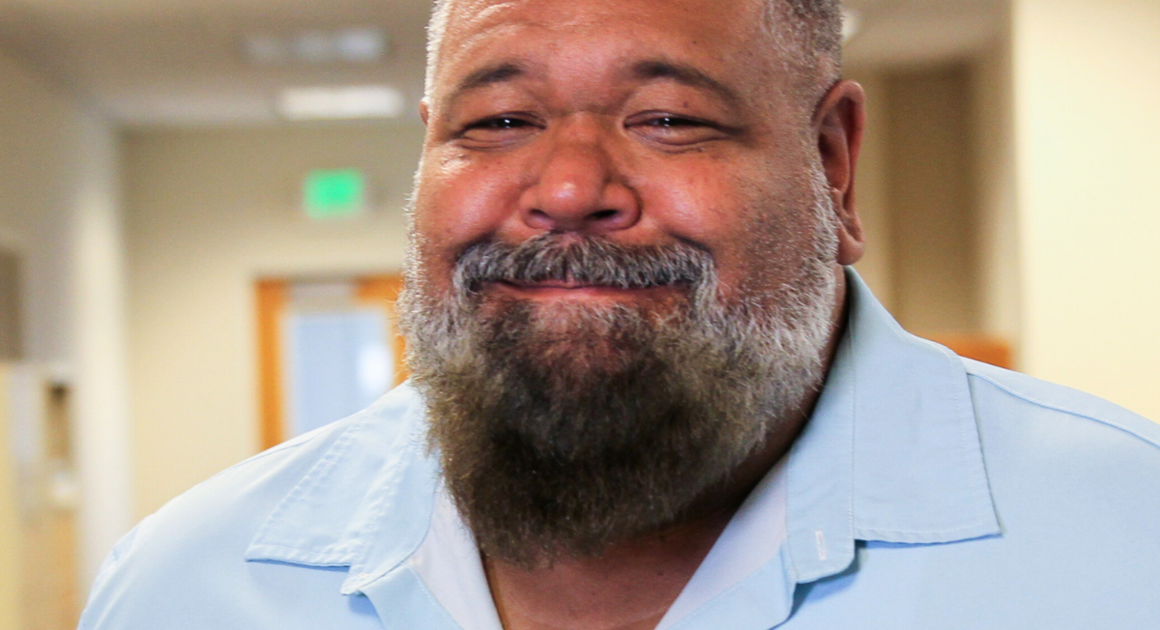
My name is Ric Calhoun and I am the 2026 National Education Association (NEA)'s Education Support Professional (ESP) of the Year. I am also the vice president for ESPs at the Northshore Education Association in Washington State. The NEA is affiliated with Education International (EI).
ESPs and all educators want to provide every student with an accurate and quality education in a safe and welcoming learning environment. But some U.S. politicians are pushing laws that restrict some kids' freedom to learn and be their authentic selves. They are banning books that reflect the diversity of our students and excluding transgender students from healthcare, school, and sports. They are exploiting the lack of familiarity with transgender students to distract us from their failures to deliver for our families and communities.
As the largest labor union in the country, NEA is committed to providing every educator with the professional learning and support needed to help create safe and welcoming schools for everyone.
We offer LGBTI+ information, tools, training, and resources to support transgender and non-binary students, to be more inclusive of LGBTI+ history in their classrooms, and to stop bias and intolerance in our public schools.
One of these critical resources is a toolkit that helps our union members ensure fair treatment at work through their collective bargaining agreements (CBAs). In our current political climate, CBAs can provide key protections and rights for LGBTQ+ educators and students that are separate from and do not depend on federal, state, or local laws or enforcement. Our NEA members also created the Making Gay History podcast and lesson plans that are accessible worldwide. We continue to partner with LGBTI+ organizations and participate in Pride events to support students, educators, and community members across the country and beyond.
In my role as a campus supervisor at a Washington High School, I have taken intentional steps to ensure students feel safe, seen, and supported both emotionally and physically. For me, school safety goes beyond supervision—it’s about building strong relationships with our students and each other.
One of my most impactful initiatives was launching a racial and social justice video project, where students of color, LGBTI+ students, and other marginalized groups shared their lived experiences within our local school district.
These videos opened a direct dialogue between students and staff, fostering empathy and awareness around race, religion, sexual orientation, identity, and ability. It helped our staff better understand how their actions affect student well-being and created a space for healing and growth.
In my local union in Washington State, I have helped establish affinity groups for LGBTI+ union members and successfully bargained for regular meetings with our school district’s Racial and Educational Justice Department. These efforts have improved representation, fostered inclusive workplaces, and strengthened support systems for ESPs. Through this work, I advocate for racial justice, individuals with disabilities, LGBTI+ staff, and others whose voices are often overlooked.
Every ESP and every student—no matter what they look like or who they love—deserves to be seen, respected, and supported. Our collective strength as a union lies in our ability to organize, uplift, lead, and help ensure everyone in our communities can thrive in an environment free from harm, discrimination, and all forms of hate.